
Arts Audience Development: Youth & Family Programming Guide


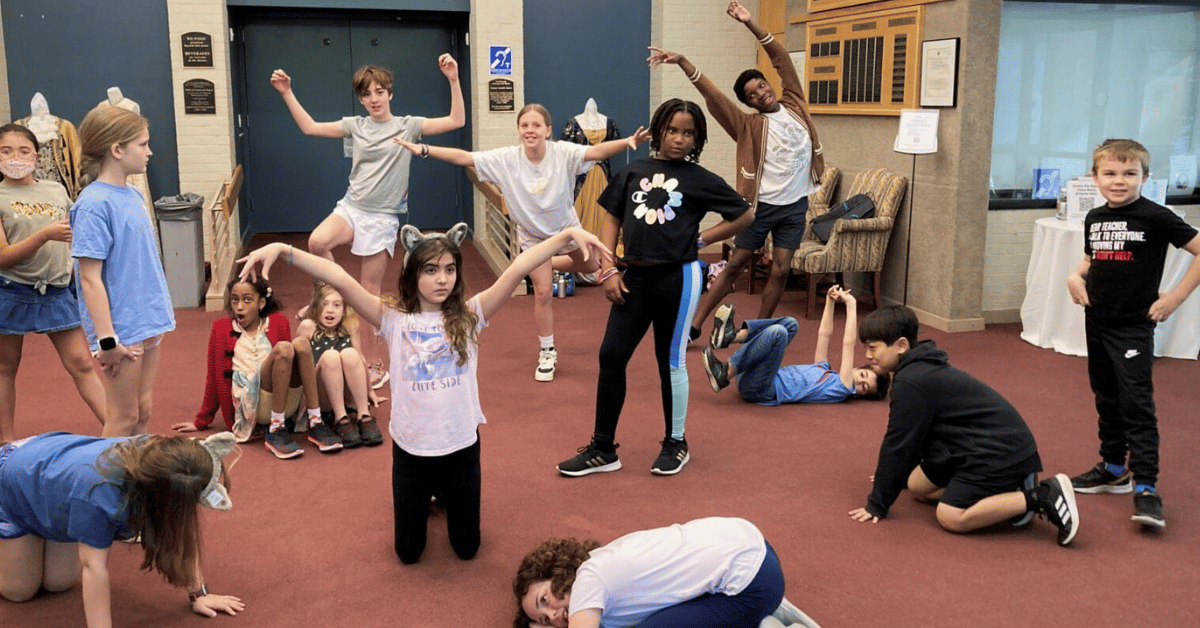
Recently, one theme has come up continuously in our conversations with arts leaders across the country: How do we safeguard our future and serve our community better with each passing year?
Ticket buyers are getting older. Funding sources are more precarious. And your audiences, along with their expectations and values, are evolving.
One path forward is to focus on cultivating lasting relationships across ages and life stages through education.
When you bring young people into your organization through learning, their friends, parents, grandparents, and caregivers show up too and become ticket buyers, donors, and advocates. And over time, so do those students themselves.
In this guide, we'll walk through an age-by-age approach to arts audience development through education, from toddlers in your earliest classes to adults stepping into your community for the first time.
The State of Audience Development in the Arts
Arts organizations are navigating a tricky moment on two fronts. Financially, federal arts funding is more uncertain than it's been in decades, and many are rethinking how they sustain their work.
But the deeper challenge is audience development: what people want from arts organizations is changing, and the old playbook isn't enough anymore. Recent analysis of audience trends across arts and heritage organizations shows that what audiences want is shifting in three important ways:
- They want community. Audiences are increasingly building identities around the places and experiences they love, and they want to feel like they belong.
- They want relevance. Programming and outreach that reflect your community drives engagement.
- They want connection. NEA research found that people who engage with the arts are significantly more likely to participate in civic and community life. Arts participation and community connection are deeply intertwined.
Your education program is one of the most direct ways to respond to all three of these shifts. Classes and camps introduce young people and families to your organization early, generate tuition revenue, and build the kind of repeated, relationship-driven contact that turns first-time participants into long-term supporters.
Growing Your Arts Audience at Every Age
Research on arts engagement consistently shows that family involvement is one of the strongest predictors of whether a young person engages with the arts at all.
A UK study on arts engagement found that young people are four times more likely to consume culture with family members than through school, and that half of young people cite family as their main inspiration to engage in cultural activities.
The ripple effect moves in every direction. A child excited about a class tells their friends. A parent attending a student showcase becomes a ticket buyer. A grandparent who comes to watch a recital starts showing up for your main stage productions. A young adult who takes a glassblowing class tells everyone at work about it.
“We’re a community service organization,” explains Anne Hering, Education Director, at Orlando Shakes. “And part of serving the community is serving the youth. Beyond that, we’re recruiting, teaching, and nurturing our audiences for the next 10 years. A young person is exposed to a student matinee or class or camp, then becomes a patron and hopefully a subscriber.”
The financial case for prioritizing education is equally compelling. Education programs can represent sizable earned income for arts orgs and theatres. According to Theatre for Young Audiences research, for example, education programs account for an average of 32% of total revenue at theatres with budgets under $2M. When it comes to contributed income, many grants and funding opportunities are awarded based on an organization's impact on young people; education programs targeting these groups often make for a powerful funding case.
So where do you start? The answer will vary depending on your organization (more on that later) but there’s opportunity everywhere—from the youngest students in your youth programs to the adults in your community who have never set foot in your building. Here's how to think about each age group, and what leading organizations are doing to reach them.
Start Early: Programming for Ages 2–6
Programming for the youngest learners serves more than one purpose. For children, it's often their first encounter with an arts organization. For parents, it's a chance to do something enriching together or a few hours of trusted childcare. Either way, you're building a relationship with the whole family from the start.
Raleigh Little Theatre's Theater for the Very Young program is a great example. The program offers sensory-friendly performances for children five and under that let kids move around and interact rather than sit still.
San Diego Junior Theatre, the nation's oldest continuously running youth theatre, offers dedicated Pre-K classes year-round for children as young as four, alongside a full "Kinderstars" summer camp track for rising kindergartners. Their programming uses imagination, movement, and pretend play to introduce children to the art form before they're old enough for traditional theatre classes.
Playhouse Stage Company has also deliberately expanded their programming for younger age groups over the years.
"Once you build buy-in and trust with people at a young age, that becomes much easier to maintain over time," says Owen Smith, Playhouse’s Producing Artistic Director. Some of Playhouse’s strongest enrollment growth has come directly from those younger classes.
"Once you build buy-in and trust with people at a young age, that becomes much easier to maintain over time," says Owen Smith, Playhouse’s Producing Artistic Director.
A few things to keep in mind for this age group:
- Keep sessions short, physical, and sensory-friendly. Think music and hands-on exploration over sit-and-watch.
- Make it easy for caregivers to say yes. A simple, guided checkout process that takes them from class catalog to payment without unnecessary back-and-forth or manual forms goes a long way with busy families.
- Think family, not just child. Consider offering classes across multiple age groups simultaneously so a parent can drop one child at TVY and another at an elementary class without making two separate trips.
Elementary Age: Programming for Ages 7–12
Kids this age are curious, social, and still forming the habits and interests that will stay with them into adulthood. But they're also busier than ever (e.g., homework, sports, screens) and competition for their time is fierce. The organizations that are able to reach this demographic are able to meet them in places they already are like school.
Both Marathon Center for the Performing Arts and Orlando Shakes have built school partnerships that bring teaching artists directly into classrooms rather than waiting for kids and their families to find their way to them. Kids are introduced to the organization, which drives interest and engagement with programming outside of school.
MCPA's SPARK series brings students to the theater for curriculum-tied field trips. Their Arts in the Schools program takes teaching artists directly into classrooms for schools that can't make the trip.
Orlando Shakes’ Books Alive! and Shakes Alive! programs send actor-educators into elementary and middle school classrooms to bring stories to life, reaching 20-35 students per visit.
A few things to keep in mind for this age group:
- Meet them where they are. School partnerships (field trips, in-school residencies, matinees) lower the barrier to that first experience and introduce your programs to families who might not have found you otherwise.
- Let demand guide your calendar. Waitlists are data. As MCPA’s Craig VanRenterghem puts it: 'We've been getting larger waitlists for our summer activities, which tells me that there's a want for more summer programming.” If a program consistently fills, consider adding sessions, offering it at different times, or creating a shorter intro version to bring in new families and feed into your fuller programs.
- Build toward year-round connection. A single field trip or six-week show is a starting point. As Craig has observed, when an MCPA show or session ends, kids genuinely miss being there. Creating opportunities to stay connected between bigger programs keeps that relationship alive.
The Teen Years: Programming for Ages 13–18
By the time kids hit their teens, you’re no longer just competing with busy family schedules. Teenagers are making their own choices about how to spend their time. That might mean a part-time job on weekends or a travel sports team that eats up evenings.
Relevance and peer influence also matter a lot at this age. If an arts space doesn't fit who they are or who they want to be seen as, they’ll likely reject it.
But the organizations that break through find something powerful waiting on the other side.
Theatre participation research consistently shows that teens who engage with performing arts develop stronger interpersonal skills, greater confidence, and a deeper sense of belonging. And for many, the relationship they build with an arts organization during these years becomes one of the most defining of their lives.
At Orlando Shakes, Keith Traver—who came up through their Young Company as a high schooler and now coordinates their education program—is living proof of what's possible when teens find a place that feels like theirs. Owen of Playhouse has a similar backstory, first joining the program as a 14-year-old.
The Young Company's four-week intensive culminates in a fully produced Shakespeare play, giving students real creative stakes alongside social-emotional learning practices, such as ensemble check-ins, that foster a sense of safety and belonging.
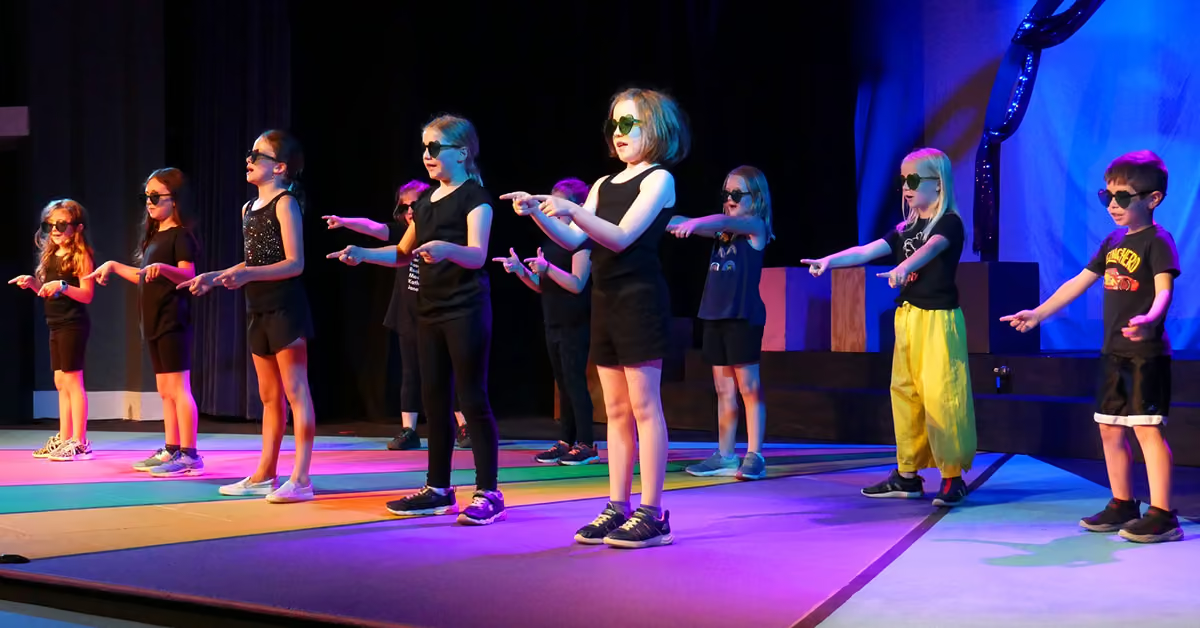
Raleigh Little Theatre takes a similar approach with Teens on Stage, a five-week intensive that culminated last summer in a full production of Hadestown.
A few things to keep in mind for this age group:
- Give them real creative stakes. Teens respond to programs that treat them as serious artists. Intensives that culminate in a real performance, like Young Company or Teens on Stage, give them something concrete to work toward and be proud of.
- Watch your language. How you describe your programs matters. "Youth" reads as too young for this group. "Teen" or age-specific framing signals that the program was made specifically for them.
- Let teens do the recruiting. Word of mouth from peers is a powerful marketing tool for this age group. AshleySimone notes that the students themselves often bring their friends in.
- Make your program look the part on social. Behind-the-scenes rehearsal footage, performance highlights, and candid moments that capture the energy and community of your program give teens something worth sharing with their friends.
Young Adults: Programming for Ages 18–30
Young adults are the volunteers, donors, and board members of the not-so-distant future. They’re also actively looking for community and meaningful experiences.
Their barriers are more practical. Many young adults don't engage with arts programming because it feels too expensive, not relevant to them, doesn’t fit their schedule, or is simply not on their radar.
Raleigh Little Theatre addresses this by offering a free adult class series funded by grants, removing the cost barrier entirely for adults who want to explore their creativity.
MCPA has grown their adult offerings around popular interests like ballroom dance, guitar, and improv. Craig tailors art classes to his community by paying attention to community trends, what his teaching artists are hearing, and to direct feedback from current students. That listening is what keeps the programming feeling relevant.
A few things that work well for this age group:
- Lower the barrier to that first experience. Free or low-cost intro offerings, pay-what-you-can nights, and flexible payment plans make it easier for young adults to commit.
- Meet them where their interests are. Social, low-stakes programming, like paint-and-sip classes or drop-in figure drawing, gives adults new to your organization an easy way in.
- Package classes around identities and occasions. Pittsburgh Glass Center's "Make-It-A-Date" series positions glassblowing as a couples' night out, complete with small bites and wine. "Classes for the plant lover" or "the perfect friend group activity" are all ways of speaking to who someone is, not just what they'll learn.
- Make registration dead simple. Young adults expect a frictionless digital experience. A clean, mobile-friendly class registration process that doesn't require multiple steps or phone calls is a huge plus for them.
- Think of this as a long-term investment. As MCPA’s Craig sees it, his work is about "building the next generation of arts donors and supporters," one class at a time.
Building Your Age-by-Age Strategy: Where to Begin
No organization builds comprehensive age-by-age programming overnight. The ones doing it well started somewhere, paid attention, and grew from there. Here's how to figure out where to focus first.
- Look at your community demographics. Are there a lot of young families in your area? Consider early childhood and elementary programming. Located in a college town or urban area with many young professionals? Test out some adult programming that doubles as a social outlet. Let your existing audience data lead the way.
- Find the gaps. What are other organizations in your area already offering? What’s missing in the community? You may not want to compete with a strong children's theatre down the street, but you might be the only organization in your area offering meaningful programming for teens or adults.
- Invest in what's already working. Your enrollment data is one of your best planning tools. Which classes fill quickly? Which age groups are already showing up consistently? Building on existing momentum is often more effective than trying to create demand from scratch.
- Ask your community directly. The most reliable way to know what people want is to ask them. Post-class surveys, social media polls, and informal conversations with current students and their families can surface programming ideas you wouldn't have thought of on your own.
- Follow your organizational strengths. The best programming should reflect community demand and what your organization does well. A theatre company with strong musical direction has a natural advantage in building youth performance programs. A visual arts center might find that adult classes in specific techniques draw a community that grows into broader engagement over time.
The Long Game: Education as Audience Development
The arts organizations featured in this article are all doing something that appears to be youth programming on the surface. But what they're really doing is building their audience of the future.
Students become ticket buyers. Kids become donors. Families become ambassadors. And occasionally, a teenager who falls in love with your program comes back decades later to run it.
That's what audience development looks like when it's working. It's a sustained commitment to showing up for your community at every age, with programming that meets people where they are and gives them a reason to stay.
Save time and grow your impact with CourseStorm

